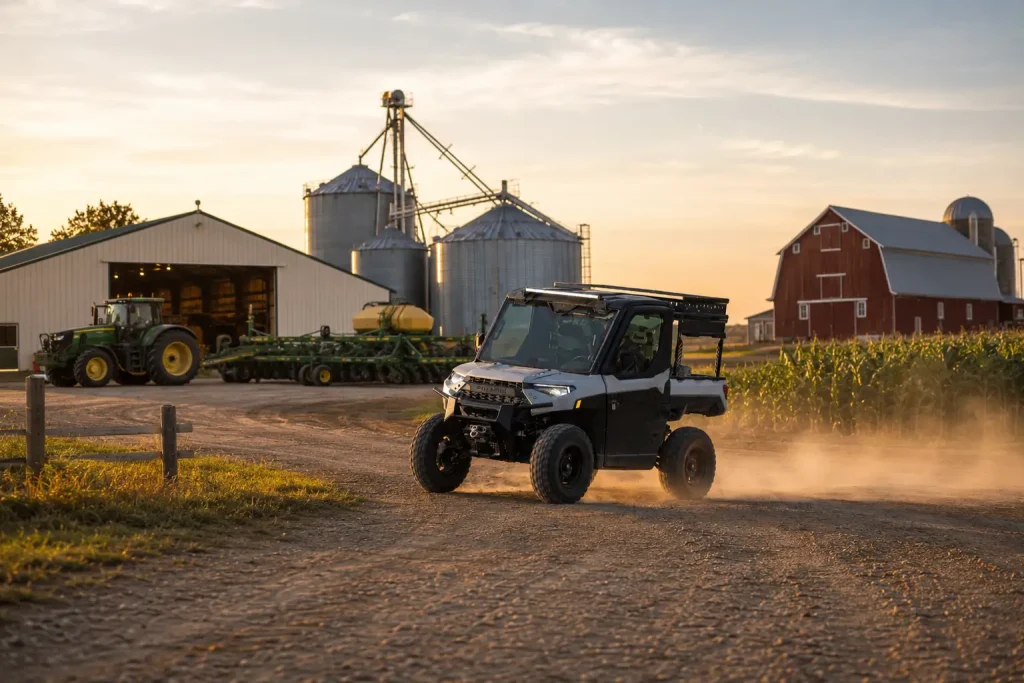
You pull your Polaris RANGER up to a gate, stop to open it, and suddenly notice the machine slowly trying to move forward on its own.
Maybe it is not enough to be dangerous, but it feels like the transmission is still trying to pull even though you are not touching the throttle.
If your Polaris RANGER creeps forward while idling, you are not imagining things. It is one of the most common complaints UTV owners have, especially as machines accumulate miles and wear.
The good news is that a RANGER should not aggressively pull forward at idle. When it does, there is usually a reason.
The most common cause is clutch engagement occurring too early. The factory CVT clutch system is designed to keep the belt disengaged at idle and begin transferring power as engine speed increases. As components wear, springs weaken, bushings develop play, or clutch surfaces become glazed, the clutch may begin applying pressure to the belt before it should. When that happens, the machine starts trying to move even though the engine is simply idling.
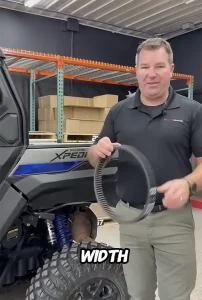
Belt condition can also contribute to the problem. A worn belt, a belt that has become polished from heat, or a belt sitting improperly in the clutch sheaves can make engagement less predictable. In some cases, owners notice creeping after installing an aftermarket belt that does not match the dimensions or operating characteristics of the original equipment.
Idle speed itself can be another factor. If the engine is idling higher than factory specifications, the clutch may begin engaging when it should still be fully disengaged. This is especially noticeable on machines that have been modified, tuned, or have developed sensor issues that affect idle speed.
Dust, dirt, and clutch contamination are also surprisingly common culprits. Polaris RANGERs spend their lives working in conditions that are far from ideal. Fine dust, mud, moisture, and belt debris can accumulate inside the clutch system over time. As contamination builds up, clutch components may not move as freely as intended, leading to inconsistent engagement and unwanted vehicle movement.
Many owners simply assume creeping is normal because they have experienced it for years. While a small amount of clutch drag can occur in some situations, excessive creeping is usually a sign that the clutch system is not operating as efficiently as it should.
This is one reason many RANGER owners switch to the DURACLUTCH system. Unlike traditional factory clutch designs that rely heavily on sliding components exposed to dirt and belt dust, the DURACLUTCH uses a sealed shift cavity that helps keep contaminants away from critical operating surfaces. The result is smoother engagement characteristics and significantly better control at low speeds.
Farmers, ranchers, hunters, and property owners often notice the difference immediately. Tasks such as backing up to a trailer, opening gates, maneuvering around livestock, or creeping through tight trails become easier because the machine responds more predictably instead of feeling eager to lunge forward.
If your Polaris RANGER is creeping at idle, the problem may be as simple as clutch maintenance, belt condition, or idle speed adjustment. However, if the issue continues to get worse, it may be time to inspect the clutch system more closely. A properly functioning clutch should help the machine feel controlled and predictable, not like it is always trying to sneak away while you are standing still.
After all, a utility vehicle is supposed to make work easier. Chasing a creeping RANGER across the yard was never part of the job description.