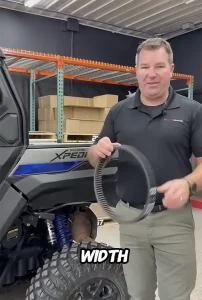
If your Polaris RZR, RANGER, GENERAL, XPEDITION, PRO XD, SPORTSMAN or ACE suddenly feels “off,” there’s a good chance your clutch system is trying to warn you before something expensive happens.
The problem is that clutch issues rarely begin with some dramatic Hollywood explosion. They usually creep in slowly. A squeal here. A vibration there. A weird jerky takeoff you can’t quite explain. Then one day, you’re halfway up a hill smelling burnt belt material while your buddies disappear into the distance.
The clutch system on a UTV is one of the hardest working parts on the machine. Every bit of engine power travels through it before reaching the tires. Add oversized tires, mud, snow, towing, elevation changes, or aggressive riding, and the clutch system can begin showing signs of wear surprisingly early.
The good news? Your machine usually gives you several warning signs before a complete failure happens.
1. Jerky Takeoffs or Clutch Chatter
One of the most common symptoms of a failing Polaris clutch is rough engagement from a stop. Instead of smoothly rolling forward, the machine may:
- Jerk
- Chatter
- Shudder
- Vibrate
- Feel grabby
Many owners first notice this while slowly pulling away from a stop sign, backing up a trailer, or climbing at low speed.
This usually points toward:
- Worn clutch components
- Flat-spotted rollers
- Glazing on the belt
- Excessive clutch heat
- Weak springs
- Improper clutch calibration
In many cases, the belt gets blamed when the clutch itself is the real culprit.
2. Belt Squeal or High-Pitched Noises
A healthy clutch system should not sound like an angry shopping cart wheel.
If you hear:
- Squealing
- Chirping
- Whining
- Grinding
- Rattling
- Metallic chatter
Especially during acceleration or deceleration, something is likely wearing incorrectly inside the clutch system.
Some causes include:
- Worn sheaves
- Improper belt deflection
- Heat-damaged belts
- Sticking clutch movement
- Contaminated clutch surfaces
- Failing bearings
And once heat enters the equation, wear accelerates fast. A clutch system can go from “slightly annoying” to “wallet detonation sequence” surprisingly quickly.
3. Burning Belt Smell
This one is never good.
If you smell burnt rubber or hot plastic after climbing hills, towing, mud riding, or riding in sand, your clutch system is generating excessive heat.
That heat can come from:
- Slipping belts
- Poor clutch calibration
- Oversized tires
- Worn clutch surfaces
- Weak backshifting
- Riding in High gear at low speed
- Excessive clutch load
A properly functioning clutch should squeeze the belt firmly and efficiently. When it starts slipping excessively, heat builds rapidly and belt life drops dramatically.
This is one of the biggest reasons some Polaris owners burn through belts constantly while others get thousands of miles from a single belt.
4. RPMs Rise But Speed Does Not
This is a classic warning sign.
You hit the throttle. The engine revs. But the machine does not accelerate like it should.
That often means:
- The belt is slipping
- Clutch clamping force is weak
- Clutch surfaces are worn
- The system is no longer transferring power efficiently
This becomes especially noticeable:
- Climbing hills
- Turning larger tires
- Carrying heavy loads
- Towing
- Riding in mud or snow
Many riders mistakenly think the engine is losing power when the clutch system is actually wasting power before it ever reaches the ground.
5. Hard Shifting Into Gear
A healthy Polaris clutch system should shift relatively smoothly into High or Reverse.
If your machine suddenly:
- Clunks aggressively into gear
- Resists shifting
- Grinds
- Feels difficult to engage
The clutch system may not be disengaging correctly at idle.
This can be caused by:
- Worn clutch bushings
- Sticking movable sheaves
- Incorrect idle RPM
- Belt wear
- Clutch drag
Sometimes owners chase transmission problems for months when the clutch system was the real issue all along.
6. Excessive Belt Dust Inside the Clutch Housing
A little belt dust is normal.
A volcanic ash cloud inside your clutch cover is not.
Excessive black dust usually indicates:
- Belt slip
- Excessive heat
- Poor clutch alignment
- Worn clutch faces
- Incorrect calibration
- Aggressive engagement
If you remove the clutch cover and it looks like a charcoal factory exploded inside, it’s time to inspect the system carefully.
7. Weak Backshifting on Hills
A properly tuned clutch system should react quickly when load increases.
For example, you start climbing a hill. The clutch should downshift and keep the engine in its powerband.
If the machine bogs badly instead, the clutch may no longer be reacting properly.
This is especially common on:
- Lifted machines
- Oversized tire setups
- Heavy work rigs
- Higher elevation machines
Factory clutch calibration is often designed around stock tires and average riding conditions. Once owners change those variables, drivability problems begin creeping in.
Why Clutch Problems Can Get Worse After Installing Bigger Tires
One of the fastest ways to expose weaknesses in a factory clutch system is adding larger tires.
Bigger tires increase:
- Rotating mass
- Drivetrain load
- Heat generation
- Belt stress
- Clutch stress
The machine suddenly requires much more force to move everything.
That’s why, after installing larger tires, many owners immediately experience:
- Belt failures
- Sluggish acceleration
- Clutch chatter
- Overheating
The clutch system may technically still work, but it is now operating far outside the conditions it was originally calibrated for.
When Should You Replace a Clutch?
There’s no perfect mileage number.
Some systems begin showing issues surprisingly early under hard use. Others survive for years with lighter riding.
But if your machine consistently shows multiple symptoms from this list, it’s time to inspect the clutch system before it causes:
- Repeated belt failures
- Damaged crank components
- Broken clutch internals
- Major drivetrain damage
Ignoring early warning signs usually costs far more later.
The Real Goal Is Smoothness, Not Just Aggression
A lot of aftermarket clutch systems focus on aggressive engagement and maximum RPM. That sounds exciting on paper.
But for real-world trail riding, work use, towing, snow riding, and long-term reliability, smooth power transfer matters far more.
A properly calibrated clutch system should:
- Engage smoothly
- Reduce belt heat
- Improve drivability
- Maintain RPM correctly
- Improve backshifting
- Dramatically extend belt life
That’s exactly why many Polaris owners move toward fully calibrated replacement clutch systems like those from DURACLUTCH, which are pre-tuned for tire size and elevation instead of forcing owners into endless trial-and-error tuning.
Got questions? Call us during business hours at (218) 967-8205, or send us a note anytime.